Interference Issues and Solutions for Smart Street Light System Data

Interference Issues and Solutions for Smart Street Light System Data

This article deeply explores the causes and solutions of data interference in smart street light systems, helping you improve system stability and safety, and ensuring the efficient operation of smart lighting.


With the increasing popularity of smart street light systems, their role in urban lighting management has become more and more important. Smart street lights achieve remote monitoring and automated management through sensors, controllers, and communication modules, bringing a new experience of efficiency, energy saving, and intelligence to urban lighting.

However, during operation, smart street light systems often face data interference issues. These not only affect system stability but may also cause street lights to malfunction or even pose safety hazards. So, what are the causes of data interference in smart street light systems, and how can they be effectively resolved? This article will provide a detailed analysis to help you fully master the data security and optimization solutions for smart street light systems.

智能路灯信息防护安全系统架构图.jpg

I. Common Causes of Data Interference in Smart Street Light Systems

A smart street light system is a complex Internet of Things (IoT) system involving various devices and communication technologies. Data interference problems are typically caused by the following:

1. Electromagnetic Environment Interference

Sensors and communication modules in smart street light systems are susceptible to electromagnetic interference from the surrounding environment, such as high-voltage power lines, radio equipment, or industrial devices. Such interference can cause data signal distortion or loss, affecting normal system operation.

2. Network Attacks and Malicious Interference

Smart street light systems usually transmit data and controls via wireless networks (e.g., Wi-Fi, LoRa, NB-IoT). Hackers may use network attack methods to interfere with or tamper with system data, causing abnormal on/off or brightness adjustment of street lights, and even threatening urban lighting safety.

3. Sensor Failures or False Alarms

Sensors are core components of smart street light systems, responsible for collecting environmental data (e.g., light intensity, pedestrian flow). If sensors fail or generate false alarms, the system may receive erroneous data and issue incorrect control commands.

4. Equipment Design Defects

Some smart street light systems lack sufficient anti‑interference consideration during design, such as insufficiently secure communication protocols or inadequate hardware protection measures. These defects can lead to data interference problems.

5. Human Operational Errors

During installation or commissioning, if operators do not follow specifications, data interference problems may be introduced. For example, incorrect configuration of communication modules or improper sensor calibration can affect system stability.

智能路灯系统安全部署.jpg

II. Solutions for Data Interference in Smart Street Light Systems

To address data interference in smart street light systems, effective solutions can be proposed from the following aspects:

1. Optimize Electromagnetic Environment Protection

During the design and installation of smart street light systems, various measures should be taken to reduce the impact of electromagnetic interference. These include using shielded cables, adding filters, and reasonably arranging equipment away from high‑interference sources. Such measures can effectively improve the system’s anti‑interference capability and ensure data transmission stability.

2. Strengthen Network Security Protection

Smart street light systems should adopt advanced network security technologies, such as encrypted data transmission, firewall protection, and identity authentication mechanisms, to prevent hacker attacks and malicious interference. Regular updates of system software and firmware to fix potential security vulnerabilities are also important means to ensure data security.

3. Improve Sensor Reliability

Selecting high‑quality sensors and performing regular calibration and maintenance can effectively reduce the possibility of sensor failure or false alarms. Additionally, algorithm optimization can analyze and filter sensor data, eliminating abnormal data to ensure the system receives accurate signals.

4. Enhance Equipment Design and Testing

During the equipment design phase, anti‑interference capability should be fully considered, such as adopting anti‑interference communication protocols and adding hardware protection measures. At the same time, strict testing before leaving the factory ensures stability and reliability under various complex environments.

5. Strengthen Operator Training

Provide professional training for system installation, commissioning, and maintenance personnel to ensure they operate equipment strictly in accordance with specifications. Avoid data interference problems caused by human error and improve overall system operation efficiency.

智能路灯安全系统组成.jpg

III. Prevention and Maintenance of Data Interference in Smart Street Light Systems

In addition to the above solutions, the following prevention and maintenance measures can also effectively reduce the occurrence of data interference problems:

1. Regular Inspection and Maintenance

Smart street light systems require regular inspection and maintenance to ensure normal operation of all equipment. For example, check the connection status of communication modules, sensor sensitivity, energy storage device charge levels, etc., to promptly identify and resolve potential problems.

2. Establish a Data Monitoring Platform

By establishing a data monitoring platform for the smart street light system, real‑time monitoring of system operation status and data transmission can be achieved. Once abnormal data or signal interruption is detected, the problem can be quickly located and appropriate measures taken to avoid affecting system operation.

3. Adopt Redundant Design

Introduce redundancy mechanisms in system design, such as dual communication module backup, multi‑sensor data fusion, etc. When a device or module fails, redundant design ensures the system continues to operate normally, reducing the impact of data interference.

4. Choose a Reliable Manufacturer

The quality of the smart street light system directly determines its anti‑interference capability and operational stability. Choosing a manufacturer with strong technical capabilities and reliable product quality is key to avoiding data interference problems. For example, Sanqian Intelligence’s smart light pole network security monitoring and protection system solution.


V. Conclusion

As an important part of urban intelligence, the data security and stability of smart street light systems are crucial. By optimizing electromagnetic environment protection, strengthening network security, improving sensor reliability, enhancing equipment design, and strengthening operator training, data interference problems can be effectively resolved, ensuring efficient system operation.

If you are looking for a stable and reliable smart street light system, or need professional technical support and solutions, please feel free to contact our staff. We have extensive industry experience and technical strength, dedicated to providing you with high‑quality smart lighting products and services. Let smart street light systems safeguard your urban lighting and jointly create a smarter, safer future city.

[Hangzhou Sanqian Smart City Technology Co., Ltd.] – Smart street light system solution expert. We look forward to cooperating with you to illuminate urban smart lighting!
 

Previous: Smart Street Light Design Calculation Document: A Comprehensive Analysis from Foundation to Lighting

PRODUCT RECOMMENDATIONS

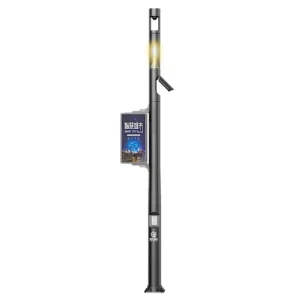
  • smart street lamp pole

    ¥69.00

    In smart city traffic, 5G smart light poles are primarily used for traffic control, offering functions such as traffic guidance, parking indication, traffic flow monitoring, vehicle surveillance, and emergency rescue. In addition, the 5G smart light pole system can transmit monitoring data and other information in real time to command centers and different city management […]

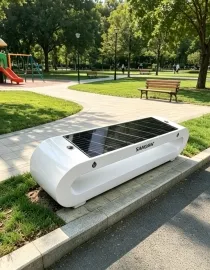
  • Smart solar bench

    ¥69.00

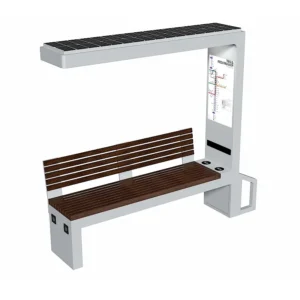
    Product Name: Solar-Powered Multi-Function Smart Bench

    Application Scenarios: Suitable for public places such as scenic areas, tourist resorts, amusement parks, zoos, botanical gardens, schools, parks, residential communities, etc.

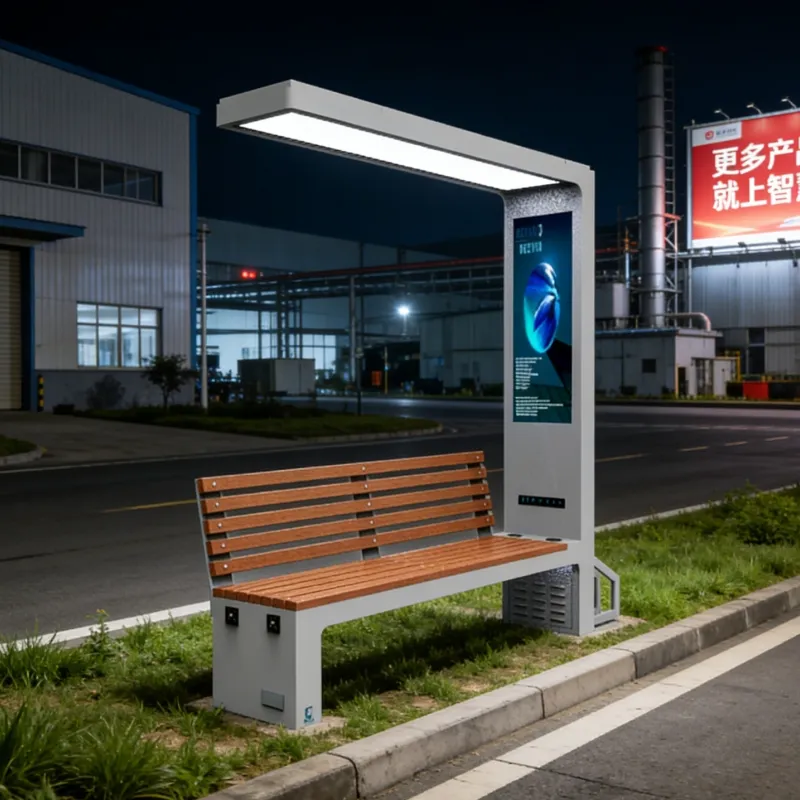
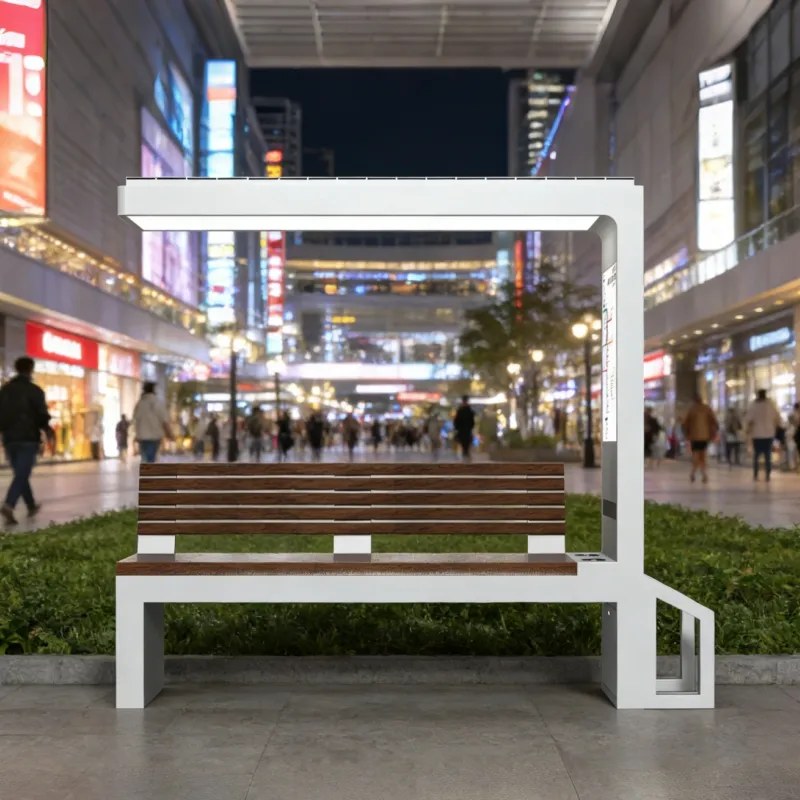
    Main Functions: Provides a 5G interface, allowing citizens to experience AI voice dialogue functions on the smart bench in public spaces. Also offers mobile phone charging, WiFi, Bluetooth music playback, and other functions (functions can be customized; additional optional functions are available).

    Basic Introduction: The solar-powered multi-function smart bench uses clean solar energy as its power supply system. It also features various convenient smart functions such as wireless charging, Bluetooth module, WLAN, speakers, LED ambient lighting, etc., enabling users to enjoy the convenience and fashion of smart technology. This multi-function smart bench integrates trendy design elements, low-carbon environmental concepts, artificial intelligence operation, commercial operation models, landscape aesthetics, and leisure & entertainment functions.

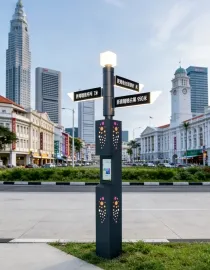
  • Smart rotating directional sign

    ¥69.00

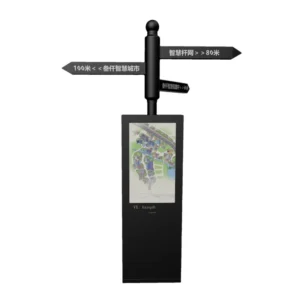
    Product Name: Smart Directional Sign System Solution
    Product Height: 3 m (height can be customized according to project requirements)

    Application Scenarios: Mainly used in indoor and outdoor transportation hub guidance systems such as smart industrial parks, high-speed rail stations, airports, future communities, future villages, cultural tourism scenic areas, etc.

    Main Functions: The smart directional sign (also called a smart wayfinding sign) is equipped with three intelligently cloud-controlled rotating LED arms, capable of displaying a vast number of destinations. The three arms rotate simultaneously for smart carousel display. Additional functions include smart lighting, environmental monitoring, one‑button SOS alarm, mobile phone charging, LED display screen, WiFi hotspot, video surveillance, and 5G micro base station, fully showcasing the city’s technological and futuristic appeal. (Specific functions can be tailored to the project; additional optional functions are also available.)

    Product Introduction: The smart directional sign is an innovative product combining mechanical engineering and the Internet, and is a star product for next‑generation public guidance and brand display. Based on the intelligent hardware of a multi‑functional smart pole, it integrates outdoor high‑brightness LCD screens, smart motors, digital signage, and other hardware. With a backend that incorporates a 3D map engine and map guidance software, the intelligent rotating arms point users in the correct direction and display the actual distance, recreating the intuitive experience of asking for directions. It achieves fool‑proof navigation through innovative software and hardware, delivering the most traditional yet highly effective wayfinding experience.

  • Drone smart light pole

    ¥69.00

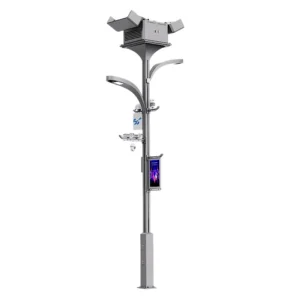
    Product Name: Drone Smart Light Pole System Solution
    Product Height: 8–15 m (height and appearance can be customized according to project requirements)

    Application Scenarios: Mainly applicable to the intelligent upgrading and reconstruction of smart transportation roads where drone services are needed.

    Main Functions: Smart lighting subsystem, drone subsystem, environmental monitoring subsystem, wireless WiFi subsystem, 5G micro base station, video surveillance subsystem, broadcast subsystem, information display subsystem, voice help subsystem, mobile phone charging, and other functions. (Functions can be customized according to specific projects; additional optional functions are also available.)

    Basic Introduction: The SVIP‑3115 drone smart light pole system is a smart light pole solution capable of wirelessly charging drones. It integrates emerging information technologies such as 5G, Beidou navigation, artificial intelligence, and the Internet of Things (IoT), combined with edge intelligent computing capabilities, to create an “air‑ground integrated”全域 (full‑domain) traffic information perception system. With core technology enhancements, the smart light pole enables real‑time perception of road vehicles, pedestrians, environment, resource status, facilities, and equipment, breaking the limitations of traditional periodic manual patrols. It achieves fully automated road patrols and intelligent perception monitoring of road networks using Beidou‑enabled drones.

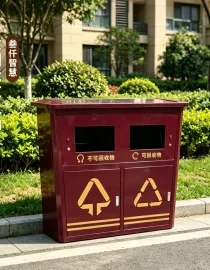
  • Smart solar trash bin

    ¥69.00

    Product Name: Smart Solar Trash Bin

    Application Scenarios: Suitable for outdoor locations such as city streets, parks, scenic areas, campuses, and other places without grid power or requiring energy savings, enabling waste sorting and intelligent management.

    Function Configuration: Integrates solar power supply, sensor‑activated opening, voice prompts, overflow alerts, remote monitoring, supports sorted waste disposal and data uploading, no external power connection required.

    Product Overview: The smart solar trash bin is a new type of public facility that combines self‑sufficient energy with intelligent management. High‑efficiency monocrystalline silicon photovoltaic panels power the system, paired with energy storage batteries to ensure stable 24/7 operation. The device features core functions such as sensor‑operated automatic lid opening, voice‑guided waste sorting, and fill‑level monitoring. Via IoT technology, it enables remote data transmission and centralized control. The whole unit is made of waterproof and corrosion‑resistant materials, suitable for various outdoor environments, making it an ideal choice for promoting green, low‑carbon, and smart city development.

RELATED NEWS

What are the functions and practical application effects of smart light poles?

A smart light pole is a multi‑functional, integrated intelligent urban infrastructure. Through features such as smart lighting, environmental monitoring, and security surveillance, it significantly improves urban management efficiency and citizens’ quality of life. This article provides a detailed analysis of the functions and practical application effects of smart light poles, helping you understand their value in smart cities.

Quality and performance indicators of smart light poles

This article deeply explores the product quality and performance indicators of smart light poles, covering aspects from appearance design to structural strength, as well as functional performance and environmental adaptability. It comprehensively analyzes the core technical standards of smart light poles, helping enterprises improve product quality and market competitiveness.

Smart Solar Bench Export Certification Requirements and Solutions

This article provides a detailed analysis of the export certification requirements and procedures for smart solar benches, offers practical solutions, and recommends Hangzhou Sanqian Smart City Technology Co., Ltd. as a professional and reliable supplier to help you easily overcome international market access challenges.

x