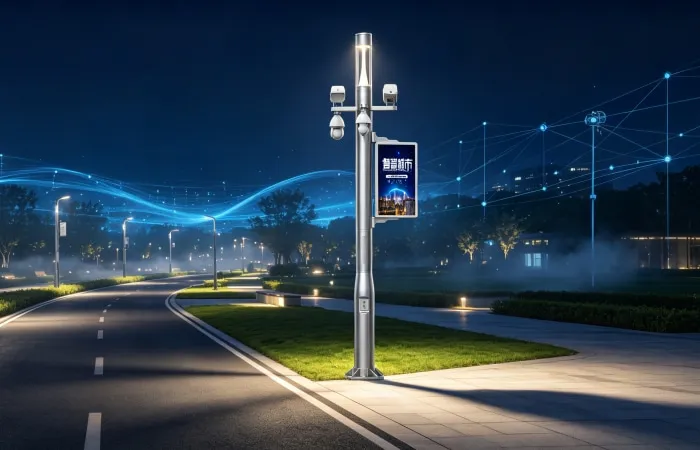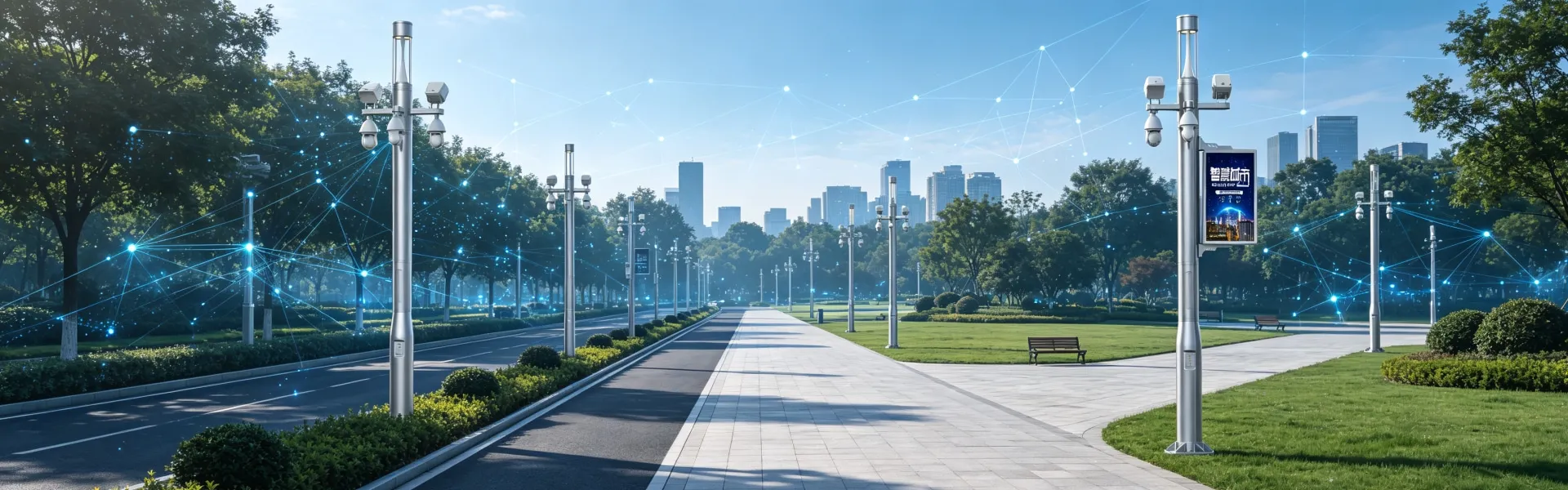
Smart Street Light Design Calculation Document: A Comprehensive Analysis from Foundation to Lighting

Smart Street Light Design Calculation Document: A Comprehensive Analysis from Foundation to Lighting

This article provides a detailed analysis of the core content of smart street light design calculations, including foundation design, spacing layout, height planning, and lighting power calculation, helping you create an efficient, intelligent, and energy-saving smart street light system.

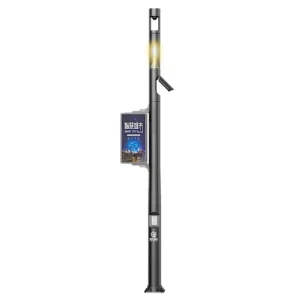
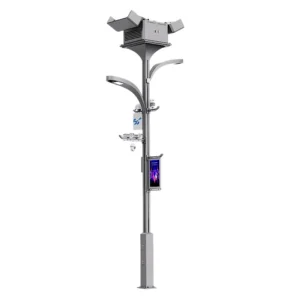
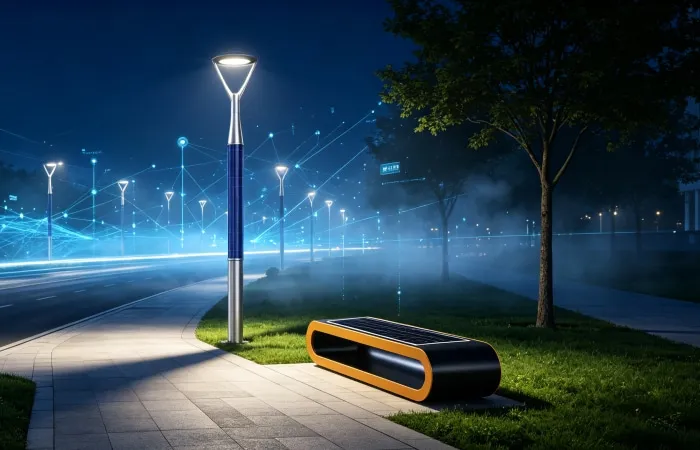
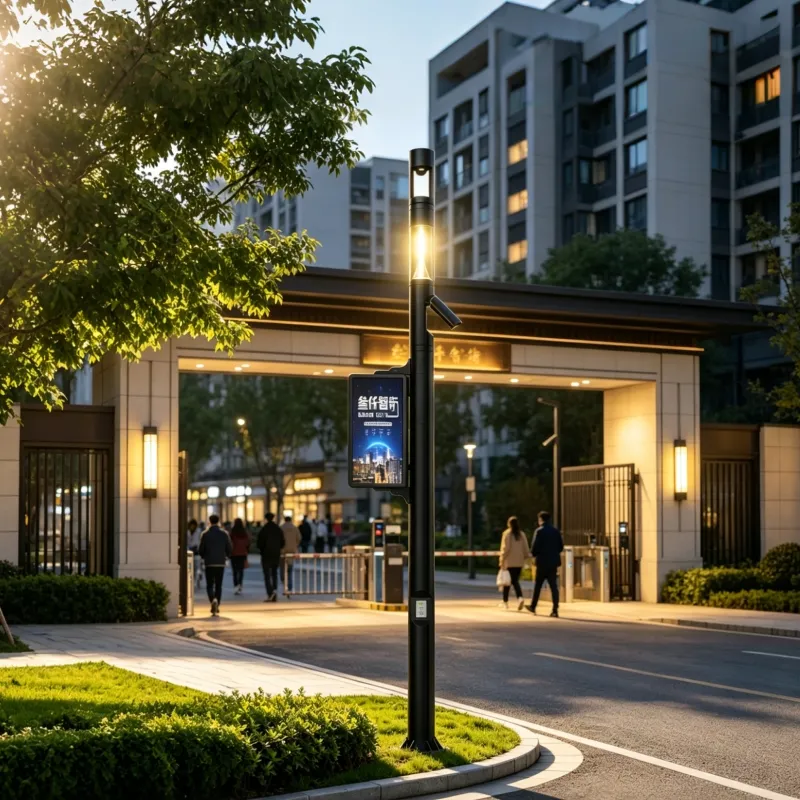
As an important component of smart city construction, smart street lights are not only lighting facilities but also intelligent terminals integrating multiple functions. However, the design of smart street lights is not a simple task; it requires comprehensive consideration of several key factors, including foundation design, spacing layout, height planning, and lighting power. These design calculations directly affect the stability and practicality of the street lights, and even relate to the overall operational effectiveness of the smart city. This article will provide a detailed analysis of the core content of smart street light design calculations, helping you deeply understand how to create an efficient, intelligent, and safe smart street light system through scientific design, and provide solid technical support for smart city construction.

智慧路灯

I. Street Light Foundation Design Calculation

The foundation design of a smart street light is a critical step in ensuring the stability and safety of the street light. Foundation design needs to consider the following factors:

• Load Calculation

The foundation of a smart street light must bear the total weight of the pole, luminaire, power supply equipment, and other components, while also taking into account external factors such as wind loads and seismic loads. During design, based on local meteorological and geological conditions, the minimum bearing capacity of the foundation should be calculated to ensure long-term stable operation.

• Material Selection

Foundation materials are typically concrete or reinforced concrete. During design, appropriate material strength and reinforcement ratios should be selected based on load calculation results. For example, in high-wind-speed areas, the foundation design should increase the amount of reinforcing steel to improve wind resistance.

• Structural Dimensions

The dimensions of the foundation should be designed in conjunction with the weight and height of the pole to ensure sufficient support. Generally, the depth and width of the foundation should be 1/3 to 1/2 of the pole height to ensure stability.

智慧路灯基础计算公式

II. Smart Street Light Spacing Design Calculation

The spacing design of smart street lights directly affects lighting effectiveness and energy consumption. Excessively large spacing leads to insufficient lighting, while excessively small spacing increases cost and energy consumption. The key steps for spacing design are as follows:

• Illuminance Requirements

Determine the target illuminance value based on the road type (e.g., arterial roads, secondary roads, sidewalks, etc.) and lighting standards. For example, the average illuminance for arterial roads is typically required to be between 20–30 lux, while for sidewalks it is required to be between 5–10 lux.

• Luminaire Parameters

The luminous flux, light intensity distribution, and beam angle of the luminaire are important bases for spacing design. By calculating the lighting coverage area and overlap region of the luminaire, a reasonable spacing distance can be determined.

• Example Calculation

Assume a luminaire with a luminous flux of 5000 lm, symmetrical light intensity distribution, beam angle of 120°, road width of 10 m, and target illuminance of 20 lux. Through formula calculation, the spacing distance between street lights is approximately 30 m.

智慧路灯间距计算公式.png

III. Smart Street Light Height Design Calculation

The height design of smart street lights requires comprehensive consideration of lighting effectiveness, safety, and aesthetics. Key points for height design are as follows:

• Lighting Coverage

The height of the pole should be determined based on the beam angle of the luminaire and the road width. For example, if the road width is 10 m and the luminaire beam angle is 60°, the pole height should be designed between 8–10 m to ensure lighting coverage across the entire road.

• Pedestrian Safety

The height of the pole must also consider pedestrian safety, avoiding hazards caused by excessively high or low poles. For example, the height of street lights on sidewalks is typically designed between 4–5 m to ensure soft light without glare.

• Urban Aesthetics

The height design of the poles should also harmonize with the overall urban planning and architectural style, avoiding abruptness. For example, in historic and cultural districts, the pole height may be appropriately reduced to comply with the district’s style requirements.

智慧路灯高度计算公式.png

IV. Smart Street Light Lighting Power Design Calculation

Lighting power design is the core of energy saving and efficiency for smart street lights. Key steps for power design are as follows:

• Lighting Demand Analysis

Determine the required total illuminance and light intensity distribution based on the road type and lighting standards. For example, the lighting power for arterial roads is typically designed between 150–250 W, while for sidewalks it is designed between 50–100 W.

• Luminaire Efficiency Calculation

Luminaire efficiency is an important basis for power design. By calculating the luminous efficacy (lm/W) and power factor of the luminaire, the required total power can be determined. For example, if the luminaire efficacy is 100 lm/W, the target illuminance is 20 lux, road width is 10 m, and spacing is 30 m, the single-lamp power is approximately 150 W.

• Energy Saving Optimization

Smart street lights can achieve energy saving optimization through intelligent dimming, solar power supply, and other methods. These factors should be considered comprehensively during design to reduce energy consumption and extend luminaire life.

智慧路灯照明计算公式.png

V. Conclusion

The design calculation of smart street lights is a complex and meticulous process, requiring comprehensive consideration of foundation design, spacing layout, height planning, lighting power, and other factors. Only through scientific design and precise calculation can the stability and practicality of the smart street light system be ensured, providing strong support for smart city construction. If you are planning or designing a smart street light project, or wish to create an efficient, intelligent, and energy-saving lighting system for your city, please feel free to contact us! We will provide you with professional technical support and design services, helping you easily meet the challenges of smart street light design and jointly create a better future for smart cities.
Previous: Smart Solar Bench Photovoltaic Power Generation System Technical Specifications

Next: Interference Issues and Solutions for Smart Street Light System Data

PRODUCT RECOMMENDATIONS

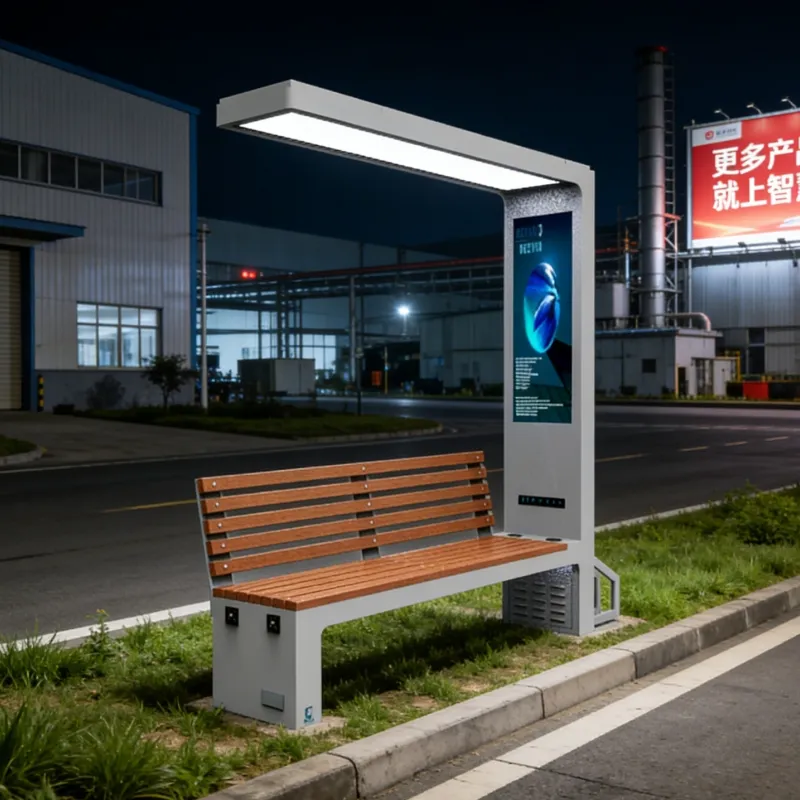
  • Smart solar bench

    ¥69.00

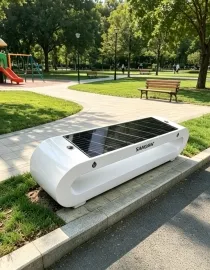
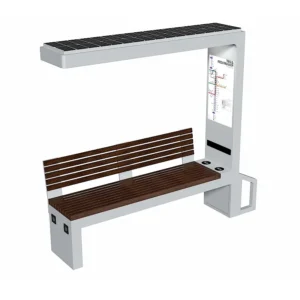
    Product Name: Solar-Powered Multi-Function Smart Bench

    Application Scenarios: Suitable for public places such as scenic areas, tourist resorts, amusement parks, zoos, botanical gardens, schools, parks, residential communities, etc.

    Main Functions: Provides a 5G interface, allowing citizens to experience AI voice dialogue functions on the smart bench in public spaces. Also offers mobile phone charging, WiFi, Bluetooth music playback, and other functions (functions can be customized; additional optional functions are available).

    Basic Introduction: The solar-powered multi-function smart bench uses clean solar energy as its power supply system. It also features various convenient smart functions such as wireless charging, Bluetooth module, WLAN, speakers, LED ambient lighting, etc., enabling users to enjoy the convenience and fashion of smart technology. This multi-function smart bench integrates trendy design elements, low-carbon environmental concepts, artificial intelligence operation, commercial operation models, landscape aesthetics, and leisure & entertainment functions.

  • Smart rotating directional sign

    ¥69.00

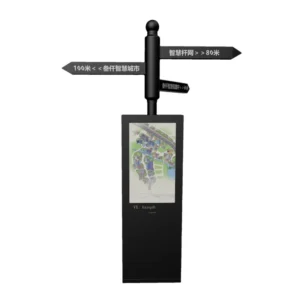
    Product Name: Smart Directional Sign System Solution
    Product Height: 3 m (height can be customized according to project requirements)

    Application Scenarios: Mainly used in indoor and outdoor transportation hub guidance systems such as smart industrial parks, high-speed rail stations, airports, future communities, future villages, cultural tourism scenic areas, etc.

    Main Functions: The smart directional sign (also called a smart wayfinding sign) is equipped with three intelligently cloud-controlled rotating LED arms, capable of displaying a vast number of destinations. The three arms rotate simultaneously for smart carousel display. Additional functions include smart lighting, environmental monitoring, one‑button SOS alarm, mobile phone charging, LED display screen, WiFi hotspot, video surveillance, and 5G micro base station, fully showcasing the city’s technological and futuristic appeal. (Specific functions can be tailored to the project; additional optional functions are also available.)

    Product Introduction: The smart directional sign is an innovative product combining mechanical engineering and the Internet, and is a star product for next‑generation public guidance and brand display. Based on the intelligent hardware of a multi‑functional smart pole, it integrates outdoor high‑brightness LCD screens, smart motors, digital signage, and other hardware. With a backend that incorporates a 3D map engine and map guidance software, the intelligent rotating arms point users in the correct direction and display the actual distance, recreating the intuitive experience of asking for directions. It achieves fool‑proof navigation through innovative software and hardware, delivering the most traditional yet highly effective wayfinding experience.

  • smart street lamp pole

    ¥69.00

    In smart city traffic, 5G smart light poles are primarily used for traffic control, offering functions such as traffic guidance, parking indication, traffic flow monitoring, vehicle surveillance, and emergency rescue. In addition, the 5G smart light pole system can transmit monitoring data and other information in real time to command centers and different city management […]

  • Smart solar trash bin

    ¥69.00

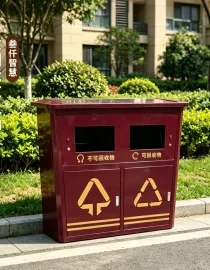
    Product Name: Smart Solar Trash Bin

    Application Scenarios: Suitable for outdoor locations such as city streets, parks, scenic areas, campuses, and other places without grid power or requiring energy savings, enabling waste sorting and intelligent management.

    Function Configuration: Integrates solar power supply, sensor‑activated opening, voice prompts, overflow alerts, remote monitoring, supports sorted waste disposal and data uploading, no external power connection required.

    Product Overview: The smart solar trash bin is a new type of public facility that combines self‑sufficient energy with intelligent management. High‑efficiency monocrystalline silicon photovoltaic panels power the system, paired with energy storage batteries to ensure stable 24/7 operation. The device features core functions such as sensor‑operated automatic lid opening, voice‑guided waste sorting, and fill‑level monitoring. Via IoT technology, it enables remote data transmission and centralized control. The whole unit is made of waterproof and corrosion‑resistant materials, suitable for various outdoor environments, making it an ideal choice for promoting green, low‑carbon, and smart city development.

  • Drone smart light pole

    ¥69.00

    Product Name: Drone Smart Light Pole System Solution
    Product Height: 8–15 m (height and appearance can be customized according to project requirements)

    Application Scenarios: Mainly applicable to the intelligent upgrading and reconstruction of smart transportation roads where drone services are needed.

    Main Functions: Smart lighting subsystem, drone subsystem, environmental monitoring subsystem, wireless WiFi subsystem, 5G micro base station, video surveillance subsystem, broadcast subsystem, information display subsystem, voice help subsystem, mobile phone charging, and other functions. (Functions can be customized according to specific projects; additional optional functions are also available.)

    Basic Introduction: The SVIP‑3115 drone smart light pole system is a smart light pole solution capable of wirelessly charging drones. It integrates emerging information technologies such as 5G, Beidou navigation, artificial intelligence, and the Internet of Things (IoT), combined with edge intelligent computing capabilities, to create an “air‑ground integrated”全域 (full‑domain) traffic information perception system. With core technology enhancements, the smart light pole enables real‑time perception of road vehicles, pedestrians, environment, resource status, facilities, and equipment, breaking the limitations of traditional periodic manual patrols. It achieves fully automated road patrols and intelligent perception monitoring of road networks using Beidou‑enabled drones.

RELATED NEWS

What are the functions and practical application effects of smart light poles?

A smart light pole is a multi‑functional, integrated intelligent urban infrastructure. Through features such as smart lighting, environmental monitoring, and security surveillance, it significantly improves urban management efficiency and citizens’ quality of life. This article provides a detailed analysis of the functions and practical application effects of smart light poles, helping you understand their value in smart cities.

x