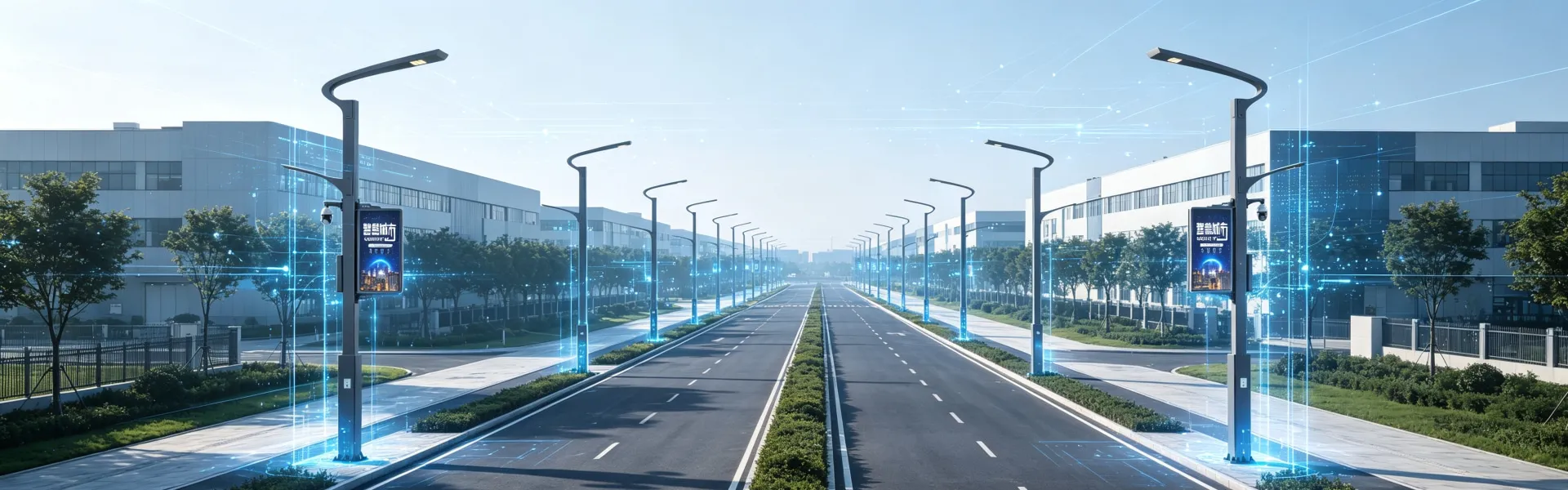
As one of the important infrastructure elements in smart city construction, the smart light pole is not only a carrier of urban lighting but also a multi‑functional intelligent device integrating communication, sensing, and data processing. With the popularization of 5G networks, the rapid development of IoT technology, and the increasing demand for refined urban management, smart light poles are playing an increasingly important role in urban management, traffic optimization, environmental monitoring, and other areas. However, the product quality and performance indicators of smart light poles directly affect the stability of their functions and practical application effectiveness, making them a focal point of industry attention.
This article will systematically analyze the core quality and performance indicators of smart light poles from the aspects of appearance quality, structural strength, functional performance, environmental adaptability, and user experience, providing technical references for relevant enterprises and supporting the widespread application and development of smart light poles in smart cities.

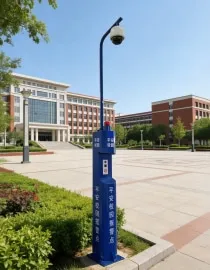
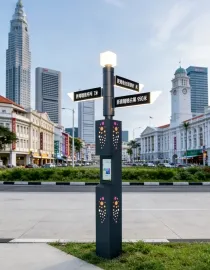
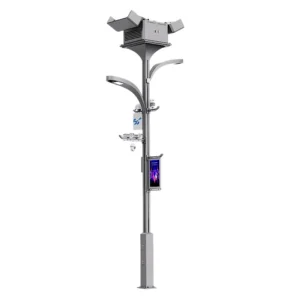
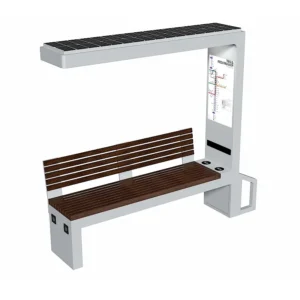
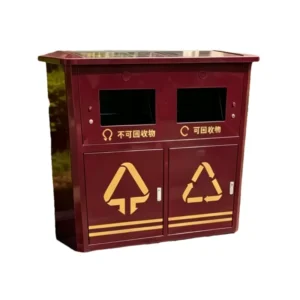
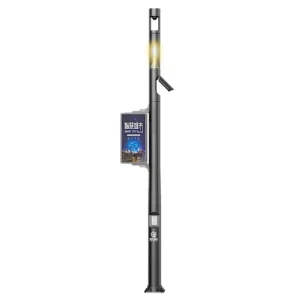
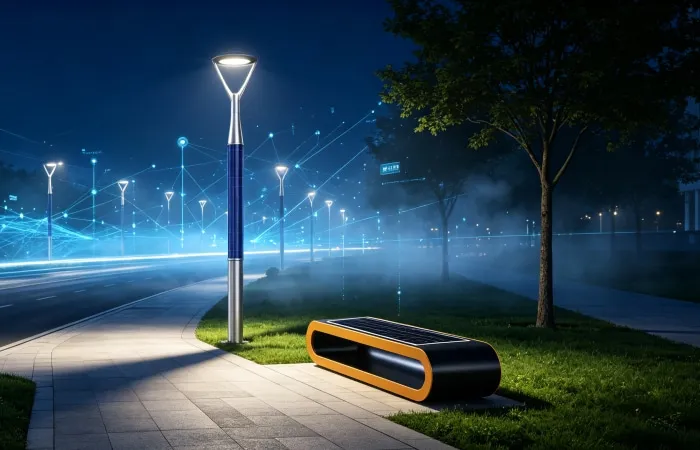
Smart Light Pole for Smart Urban Furniture
I. Appearance Quality and Design Requirements
As part of urban infrastructure, the appearance design of smart light poles must not only meet functional requirements but also harmonize with the urban environment. The evaluation of appearance quality focuses on the following aspects:
1. Material Uniformity and Surface Treatment
Smart light poles typically use metal materials (such as galvanized steel pipes or aluminum alloys) as the main structure. The uniformity of the material directly affects the product’s durability and aesthetics. Surface treatment processes (such as electrostatic spraying or hot‑dip galvanizing) should ensure no significant color differences, scratches, or rust, thereby improving weather resistance and visual effect.
2. Aesthetic Design Combined with Functionality
The design of smart light poles should balance aesthetics and functionality. For example, the shape of the pole should conform to the overall planning style of the city while reserving sufficient space for installing devices such as cameras, sensors, and display screens, ensuring a rational layout that does not compromise the overall appearance.
3. Clear Markings and Safety
The surface of the pole should clearly indicate functional markings (e.g., cameras, sensors) to facilitate later maintenance and management. In addition, the appearance design must consider nighttime traffic safety, avoiding hazards caused by reflections or unreasonable design.
II. Structural Strength and Safety
The structural strength of smart light poles is directly related to their stability and service life in complex environments.
1. Wind Resistance
Smart light poles must have sufficient wind resistance to withstand wind forces under different climatic conditions. For example, in coastal cities or areas with strong winds, the design of the poles must meet specific wind resistance standards, typically requiring them to remain stable under strong winds without tilting or damage.
2. Seismic Performance
In earthquake‑prone areas, the seismic performance of smart light poles is particularly important. The structural design should incorporate seismic‑resistant materials and optimized connection methods to ensure the poles do not easily break or collapse during an earthquake.
3. Corrosion Resistance
Smart light poles are exposed to outdoor environments for long periods and therefore need good corrosion resistance. By using anti‑corrosion materials or surface treatment processes, the service life of the poles can be effectively extended, and maintenance costs reduced.

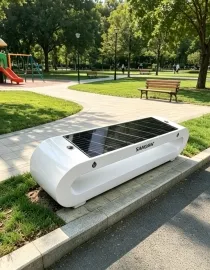
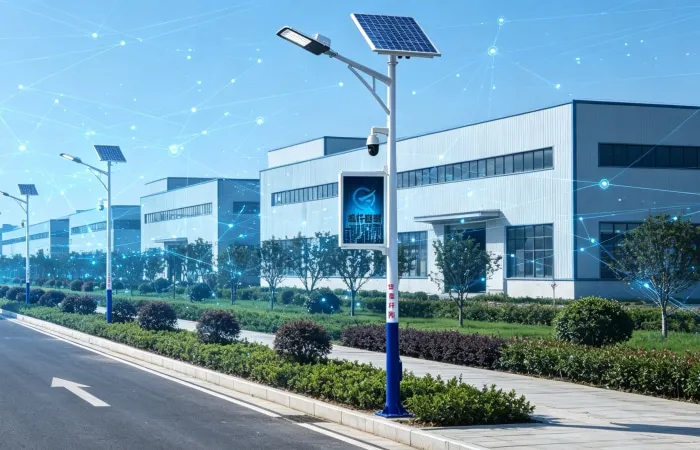
Smart Light Pole for Smart Urban Furniture
III. Functional Performance and Technical Indicators
The functional performance of smart light poles is the core embodiment of their intelligence, mainly including the following aspects:
1. Intelligent Control and Communication Capability
Smart light poles are typically equipped with intelligent control systems capable of remote switching, brightness adjustment, and other functions. At the same time, their communication modules must support multiple network standards (such as 5G, NB‑IoT, etc.) to ensure stable and efficient data transmission.
2. Sensor Accuracy and Response Speed
The sensors mounted on smart light poles (e.g., environmental monitoring sensors, pedestrian flow sensors) must have high accuracy and fast response capabilities to ensure data collection accuracy and real‑time performance. For example, the accuracy of environmental data such as temperature, humidity, and PM2.5 must meet industry standards, and the sensor response time must be controlled within a reasonable range.
3. Energy Management and Energy Efficiency Optimization
Smart light poles often integrate solar power systems or energy‑saving control modules. Their energy management capability directly affects the product’s environmental friendliness and economy. For example, the conversion efficiency of solar panels, the capacity of energy storage batteries, and the optimization of intelligent energy‑saving algorithms are important indicators for measuring the functional performance of smart light poles.
4. Compatibility and Scalability
Smart light poles must have good compatibility and scalability, supporting the integration of various devices (such as cameras, display screens, charging piles, etc.) and adapting to future technological upgrades. For example, the interface design of the poles should be standardized to facilitate the installation and maintenance of later equipment.

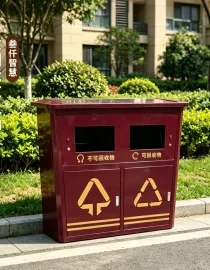
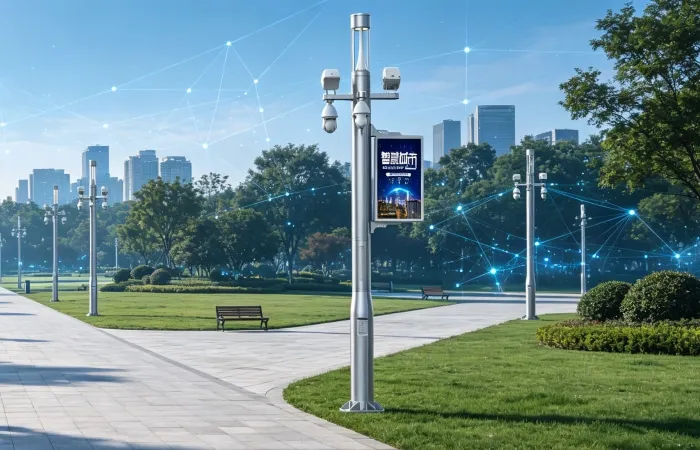
Smart Light Pole for Smart Urban Furniture
IV. Environmental Adaptability and Reliability
The environmental adaptability of smart light poles is key to their stable operation in complex outdoor environments.
1. Waterproof and Dustproof Performance
The waterproof and dustproof capability of smart light poles must meet IP protection level standards (such as IP65 or IP67) to ensure normal operation in harsh conditions such as rain, snow, and dust.
2. Temperature Tolerance
Smart light poles must adapt to temperature variations in different regions, typically required to function normally under extreme low or high temperatures. For example, in northern regions, the material performance of the poles at low winter temperatures must be considered; in southern regions, the impact of high temperatures on electronic equipment must be addressed.
3. Anti‑Interference Capability
The electronic equipment mounted on smart light poles is susceptible to electromagnetic or signal interference. Therefore, they must have good anti‑interference capability to ensure the stability of data transmission and device control.
V. User Experience and Maintenance Convenience
User experience and maintenance convenience are important considerations in the practical application of smart light poles.
1. User‑Friendly Human‑Machine Interface
Smart light poles are often equipped with display screens or interactive interfaces to provide information or services to citizens. The design of these interfaces should be simple and intuitive, making them easy for users to operate and understand.
2. Maintenance Convenience
Maintenance work on smart light poles should be as simple as possible – for example, through modular design for quick disassembly and assembly, or through remote monitoring systems that provide real‑time equipment status, reducing the frequency and cost of manual inspections.
3. User Feedback Mechanism
The functional design of smart light poles should consider user feedback mechanisms, such as collecting citizen opinions through display screens or mobile applications, to further optimize service content and functions.
Conclusion
As an important component of smart city construction, the product quality and performance indicators of smart light poles directly determine the stability of their functions and practical application value. Through a comprehensive analysis of appearance quality, structural strength, functional performance, environmental adaptability, and user experience, enterprises can develop better quality smart light pole products that more closely meet market demands, providing strong support for the intelligent development of cities.
If you have further needs or questions regarding quality standards or performance optimization for smart light poles, please feel free to contact our professional team. We will provide you with comprehensive technical solutions to help ensure the successful implementation of your projects and jointly promote the sustainable development of smart cities.