As global attention on carbon neutrality goals continues to rise, the green transformation of urban infrastructure has become a key direction for promoting sustainable development. As the main carrier of urban lighting, street lights are not only major energy consumers but also a crucial area for achieving carbon reduction. Through technological innovation and scenario‑based applications, zero‑carbon smart street lights can significantly reduce energy consumption while improving the intelligence level of urban lighting, delivering substantial economic and social benefits to city managers and enterprises.
However, how to translate this technology into practical market opportunities and how to formulate scientific marketing strategies remain challenges for the industry. This article from the Smart Urban Furniture Network focuses on the “Zero‑Carbon Smart Street Light Marketing Planning Toolkit,” detailing its core contents—including scenario checklists, economic calculation templates, a government reporting PPT framework, and successful case studies—providing comprehensive technical support and marketing guidance for enterprises and city managers.
I. Core Content of the Toolkit: Scenario Checklist
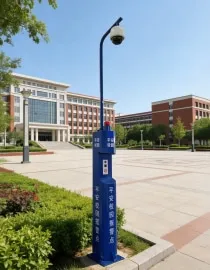
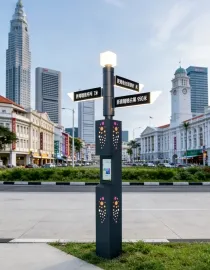
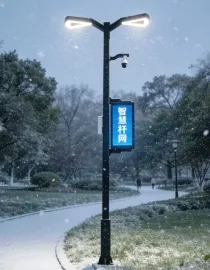
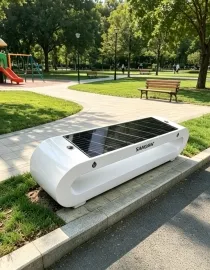
The application scenarios of zero‑carbon smart street lights form the foundation of marketing planning. The scenario checklist should cover various areas of urban lighting to ensure the solution is comprehensive and feasible. Below are the main application scenarios for zero‑carbon smart street lights:
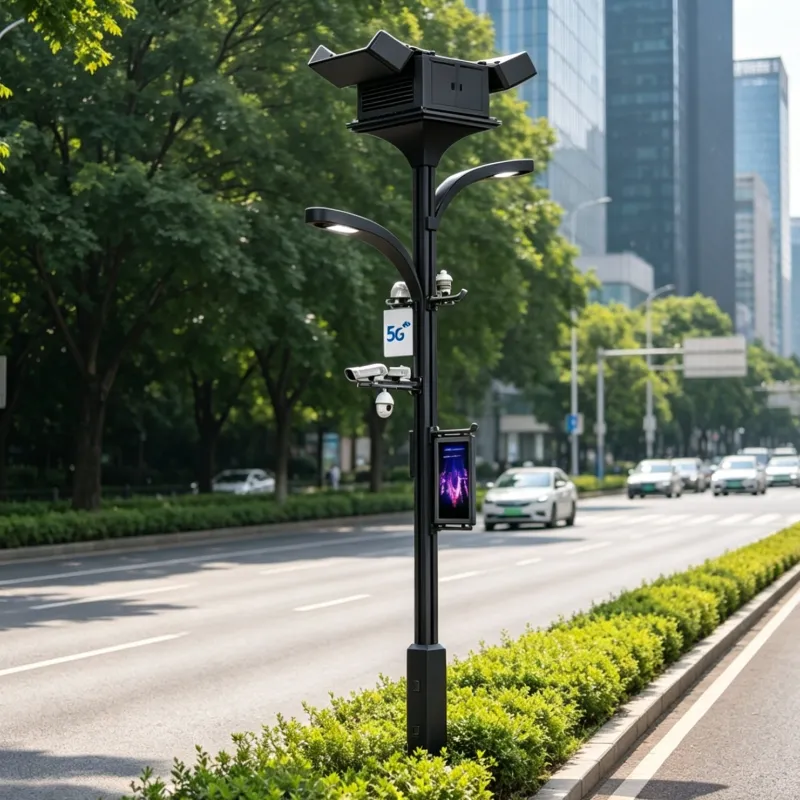
1. Urban Arterial Road Lighting
-
Dynamically adjust brightness based on pedestrian and vehicle flow using smart dimming technology, reducing energy consumption.
-
Work with solar power systems to achieve energy self‑sufficiency and reduce carbon emissions.
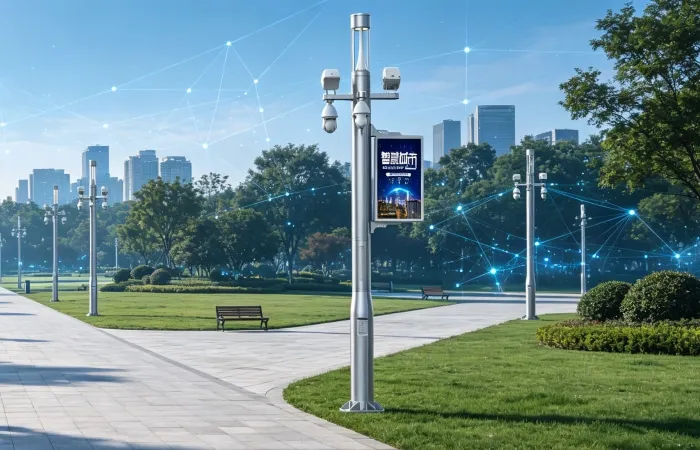
2. Park and Plaza Lighting
-
Provide intelligent scene mode switching to meet lighting needs at different times.
-
Integrate sensors and IoT technology to monitor environmental data in real time and optimize energy use.
3. Community and Residential Area Lighting
-
Offer low‑energy, high‑efficiency lighting solutions to improve residents’ quality of life.
-
Enable remote monitoring and maintenance through smart management systems, lowering operating costs.
4. Commercial Areas and Pedestrian Streets
-
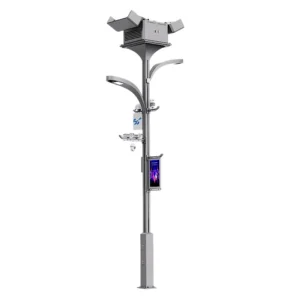
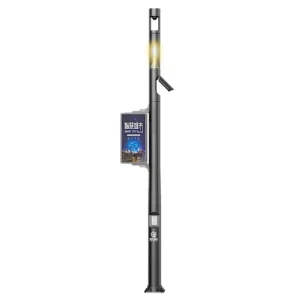
Combine smart lighting with advertising screens to enhance the appeal of commercial areas.
-
Create a comfortable commercial environment through precise scene switching, boosting consumption.
5. Scenic Areas and Cultural Landmark Lighting
-
Provide energy‑efficient, environmentally friendly nighttime lighting solutions to reduce environmental impact.
-
Integrate interactive features to enhance visitor experience and promote cultural tourism development.
The purpose of the scenario checklist is to help enterprises clarify the core value of zero‑carbon smart street lights and provide customized solutions for different scenarios, thereby enhancing market competitiveness.
II. Core Content of the Toolkit: Economic Calculation Template
The economic calculation template is an important tool for marketing zero‑carbon smart street lights. It helps enterprises clearly demonstrate the economic value of a project and provide intuitive data support to governments and clients. The main dimensions of the economic calculation are as follows:
1. Initial Investment Cost
-
Includes procurement cost of street light equipment, installation cost, system integration cost, etc.
-
Must specify the average investment cost per light and calculate based on project scale.
2. Operational Cost Savings
-
Calculate annual electricity cost savings after project implementation using energy‑saving technologies.
-
Evaluate the reduction in maintenance costs in conjunction with the smart management system.
3. Carbon Emission Reduction
-
Calculate the reduction in carbon emissions after retrofitting the street light system based on project scale and energy consumption data.
-
Compare carbon emission data between traditional street lights and zero‑carbon smart street lights to highlight the environmental value.
4. Payback Period
-
Calculate the project’s payback period based on electricity savings and carbon trading revenue.
-
Use data to prove the economic feasibility of the project to clients and government bodies.
The core of the economic calculation template is to provide scientific data support, enabling enterprises to quickly assess the economic value of a project and lay the foundation for subsequent government reporting and client communication.
III. Core Content of the Toolkit: Government Reporting PPT Framework
The government reporting PPT framework is a critical part of marketing zero‑carbon smart street lights. It should clearly present the project’s policy alignment, technical advantages, economic value, and social benefits in order to gain government support and approval. The main content of the PPT framework is as follows:
1. Policy Background and Objectives
-
Introduce the context of carbon neutrality policies and urban green development.
-
Emphasize the role of zero‑carbon smart street lights in achieving policy goals.
2. Technical Advantages and Innovations
-
Showcase core technologies such as smart dimming, solar power, and IoT integration.
-
Highlight the innovation and advancement by comparing technical specifications of traditional street lights and zero‑carbon smart street lights.
3. Application Scenarios and Case Studies
-
Use the scenario checklist to demonstrate the applicability of zero‑carbon smart street lights.
-
Cite successful cases to illustrate the effectiveness and value of the project in real applications.
4. Economic Calculation and Return on Investment
-
Present data from the economic calculation template to clarify the project’s economic value.
-
Emphasize the payback period and long‑term economic benefits to support government decision‑making.
5. Social Benefits and Sustainable Development
-
Explain how zero‑carbon smart street lights improve the urban environment, residents’ lives, and the city’s image.
-
Emphasize the project’s sustainability, aligning with long‑term carbon neutrality and green development goals.
With a well‑structured PPT framework, enterprises can efficiently demonstrate the comprehensive value of zero‑carbon smart street lights to governments, thereby gaining policy support and funding.
IV. Core Content of the Toolkit: Successful Case Studies
Successful case studies are an essential part of the zero‑carbon smart street light marketing toolkit. They prove the technical feasibility and economic value through real projects. Below are several typical successful cases from Hangzhou Sanqian Smart City Technology Co., Ltd.:
1. Urban Arterial Road Retrofit Project
-
Project scale: 500 street lights retrofitted.
-
Technologies applied: Smart dimming and solar power systems.
-
Results: 30% annual electricity savings, 40% carbon emission reduction, payback period shortened to 5 years.
2. Park Lighting Upgrade Project
-
Project scale: 100 street lights retrofitted.
-
Technologies applied: IoT sensors and scene mode switching.
-
Results: 25% energy reduction, improved visitor experience, 30% increase in park management efficiency.
3. Community Lighting Optimization Project
-
Project scale: 200 street lights retrofitted.
-
Technologies applied: Smart management system and low‑energy equipment.
-
Results: 20% annual electricity savings, resident satisfaction increased to 95%, 40% reduction in maintenance costs.
The core of successful case studies is to demonstrate the comprehensive value of zero‑carbon smart street lights through actual data and outcomes, providing reference implementation experience for enterprises and governments.
Conclusion: Zero‑Carbon Smart Street Lights – Opening a New Chapter in Urban Lighting
Zero‑carbon smart street lights are not only a technological innovation but also an important lever for urban green transformation. Through the toolkit contents—scenario checklists, economic calculation templates, government reporting PPT frameworks, and successful case studies—Hangzhou Sanqian Smart City Technology Co., Ltd. can provide comprehensive technical support and marketing guidance to enterprises and governments, helping achieve carbon neutrality goals.
If you wish to learn more about zero‑carbon smart street lights or need a customized solution, please feel free to contact Hangzhou Sanqian. We will provide professional technical support and consulting services, working together to promote the green and intelligent development of urban lighting.